

General Mills has had a recall reckoning: Earlier this month, the food manufacturer recalled nearly 736,000 Pillsbury bread rolls over possible glass contamination, according to a U.S. Food and Drug Administration notice from this week.
“Food safety is our top priority at General Mills,” the company’s spokesperson told Fortune in a statement. “Out of an abundance of caution, in mid-June, we issued a voluntary recall of two frozen dough products baked onsite and sold exclusively at Walmart in-store bakeries in the United States. This voluntary recall is limited in scope, highly contained and all potential impacted product has been removed. “
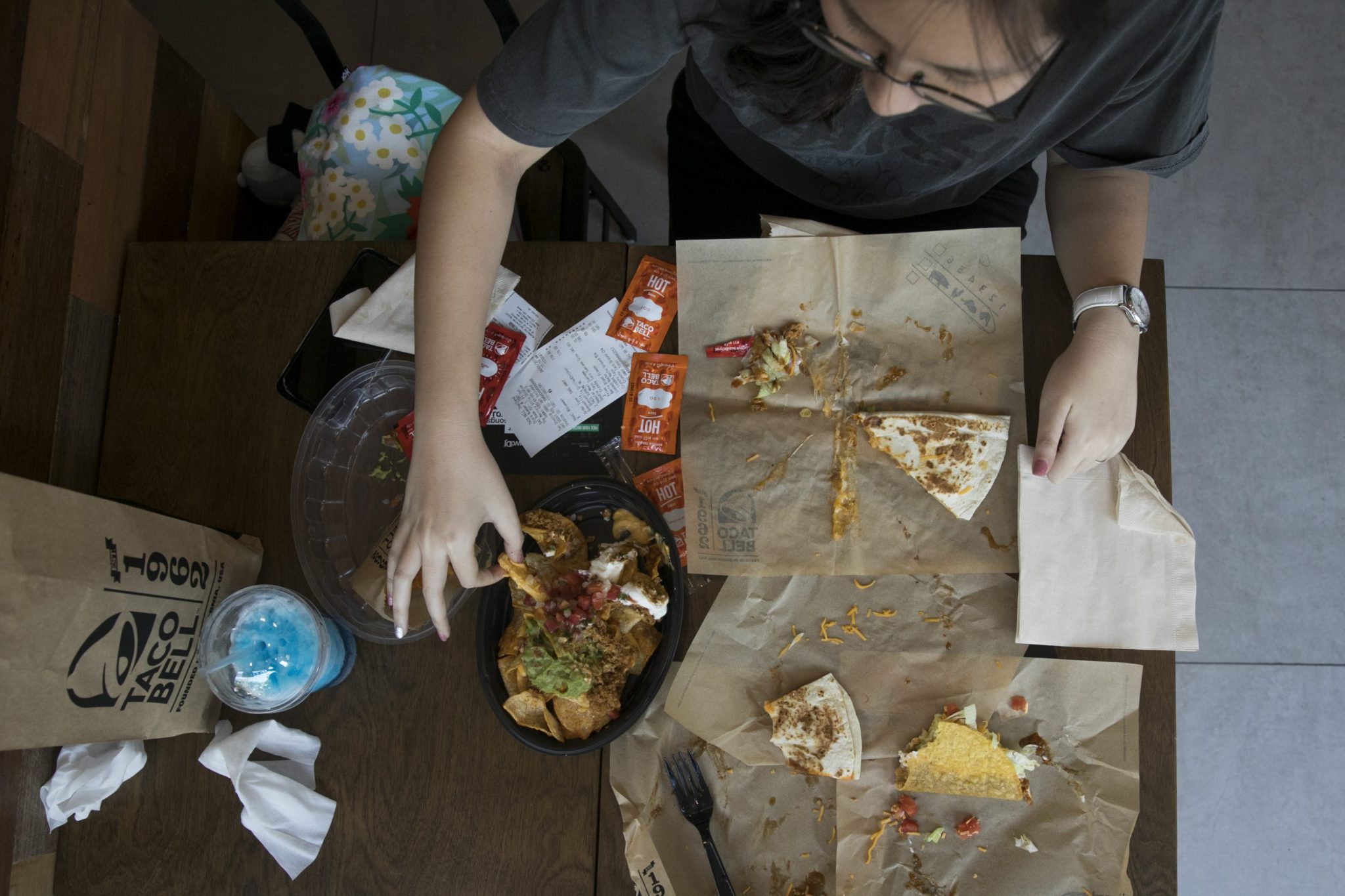
It’s not just bread rolls consumers have been concerned about. This week, the Centers for Disease Control and Prevention warned consumers against eating iceberg lettuce from Taco Bell locations in Indiana, Kentucky, Michigan, Ohio, and West Virginia over potential cyclospora contamination. The FDA reportedly traced the diarrhea-causing parasite back to Taylor Farms of Salinas, Calif., a fast-food supplier.
Taco Bell issued a statement earlier this week it “voluntarily and temporarily removed limited ingredients at select restaurants as a precautionary measure. We will continue to closely monitor the situation and follow the guidance of public health authorities.”
Warnings for consumer products, including groceries, have reached the highest numbers in years. According to Sedgwick’s 2026 first-quarter U.S. Product Safety and Recall Index report, year-over-year food and drink recall events increased from 127 in the first quarter of 2025 to 140 in the quarter ending in March 2026—a six-year high for first-quarter recall activity, the report noted.
It’s not all bad news. The number of recalled food and drink units declined year-over-year last quarter from 70.25 million to 57.40 million. The first quarter of 2026 also saw fewer recall events from the quarter before, which neared 160, though 2025’s fourth-quarter figure was the highest quarterly total in eight years.
“The ongoing economic uncertainty should urge companies to control what they can do, including assessing their compliance risk and evaluating their recall plans against a dynamic regulatory environment,” Sedgwick Senior Vice President Chris Harvey said in a press release. “The current administration is emphasizing transparency with a focus on product origin information and food ingredients. Clear communication is another priority with consumers, suppliers, and regulators. Businesses should ensure that they have effective communications channels in place and can support any statements they make.”
More recalls, more dangers? Not always
While seeing more recalls may be jarring to consumers, it’s not necessarily an indication more things are going awry in food production.
Keith Belk, head of the Center for Meat Safety and Quality at Colorado State University, previously told ABC improved technology, such as X-rays and metal detectors, has made it easier to detect foreign materials in food.
These technological improvements have been bolstered by the U.S. Congress’s enactment of the Food Safety Modernization Act in 2011, which expanded food-safety laws and increased the FDA’s power to order recalls. Meaningful changes have been made across the production chain. After the FSMA’s passage, the Mexican horticultural sector—the largest provider of U.S. horticultural imports—invested in new sampling techniques and infrastructure, as well as ensuring the use of clean water through all stages of production, according to an August 2023 U.S. Department of Agriculture report. These changes did not slow down Mexico’s export growth. In January, the FDA issued an information request for labels and gluten cross-contact contamination prevention, advocating for increased transparency in disclosing potential allergens and other ingredients impacting specific health conditions in packaged food.
Still, there are recall cases that slip through the cracks. The leading reason for recalls is unlabeled allergens, which accounted for 57 recalls in the first quarter of this year, according to the Sedgwick report. A 25-year-old dancer in New York died in 2024 after eating a mislabeled cookie that contained peanuts. Federal law dictates that the nine leading allergens, including peanuts and soy, be listed on food packaging when relevant. Bacterial contamination accounted for 22 recall events last quarter.
While the FDA’s goal is to mitigate foodborne illness, it’s not able to reduce contaminants—and therefore recalls—to zero. The FDA has established action levels, or a threshold that takes into account natural or unavoidable defects, for the express reason that it can’t eliminate every threat to consuming certain foods.
“The thing is, there’s never going to be a day where there’s zero risk associated with consuming a food product,” Belk said.
A version of this story was published on Fortune.com on March 11, 2024.
More on food recall and contamination:
- Lettuce from Mexico sold at Taco Bells in 5 states identified as source of diarrhea-causing parasite
- Taco Bell ‘voluntarily and temporarily’ cuts ingredients as investigators probe dodgy lettuce behind worst outbreak of its kind
- Trust in the FDA is collapsing. It’s time to get really transparent about our food and our drugs
This story was originally featured on Fortune.com