

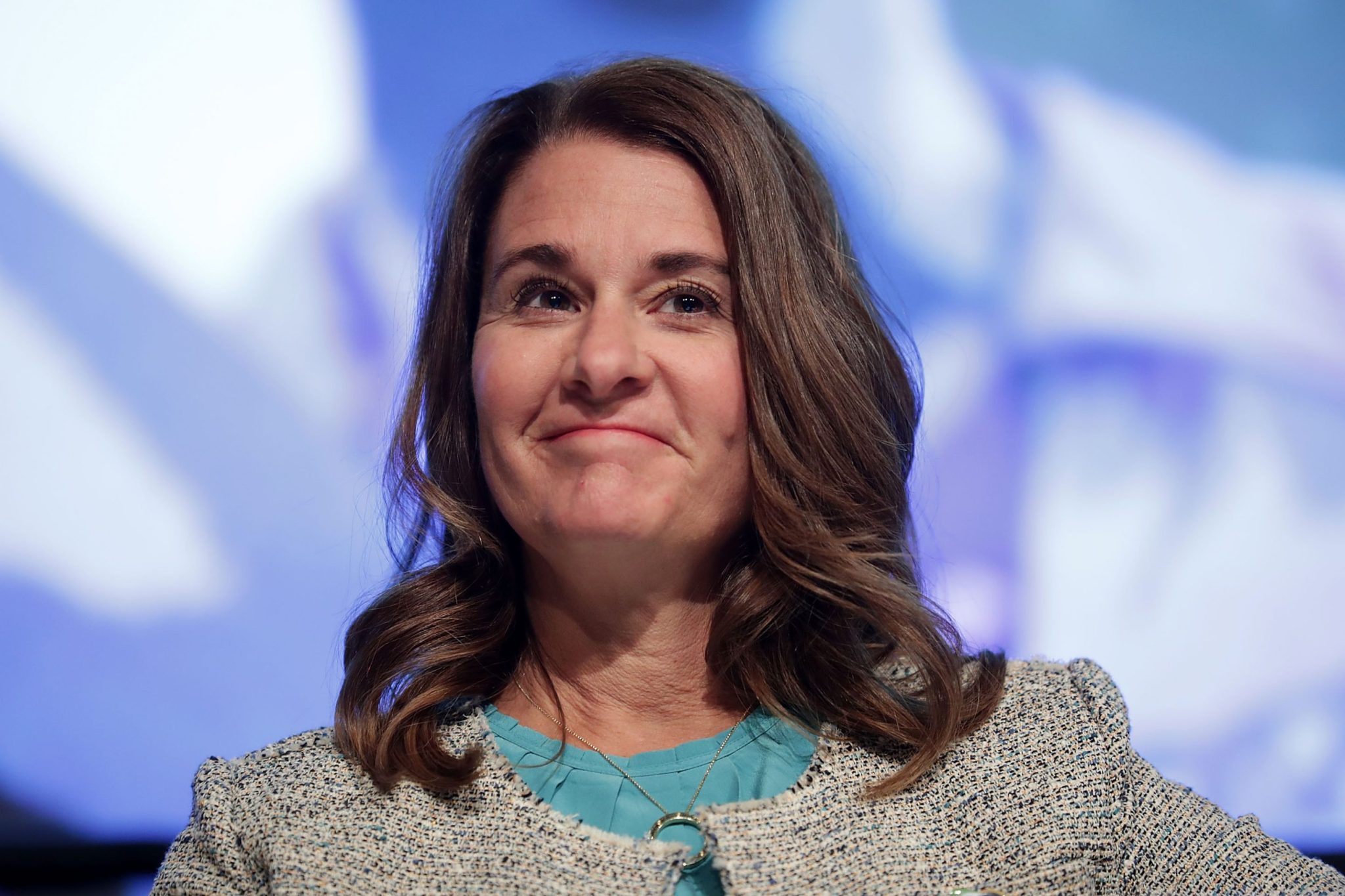
- Microsoft cofounder Bill Gates has said his children will inherit “less than 1%” of his wealth when he eventually passes away. But even while their parents are alive, the Gates children won’t be coasting off the family fortune—and Melinda French Gates is making sure of it, starting with saying no to funding her daughter’s new startup.
Melinda French Gates may be one of the wealthiest women in the world, with an estimated $34.5 billion net worth, but you won’t catch her writing checks for her daughter’s new startup.
In fact, the billionaire philanthropist and ex-wife of Bill Gates explained last year at the Power of Women’s Sports Summit presented by E.l.f. Beauty that she watched her daughter fundraise from the sidelines, on purpose.
“She got capitalized not because of my contacts, not because of me. I wouldn’t put money into it,” she said.
Her reasoning? If this is a “real business,” she said, then others need to be willing to back it. And more important, her daughter should learn how to navigate the sting of rejection if it doesn’t get that funding. “That’s what I told her,” French Gates added. “She’s growing from this.”
It’s a stance that echoes her and Bill Gates’ long-standing approach to wealth. The Microsoft cofounder previously revealed their children would inherit “less than 1%” of his fortune when he eventually passes away—insisting they make their own way in the world.
And while the 62-year-old mother didn’t reveal which daughter she was referring to, their youngest, Phoebe, launched a fashion-tech startup, Phia, with her Stanford roommate, Sophia Kianni. The platform compares clothing prices from over 40,000 sites to help users find the best deals. Back in April 2025, the then 22-year-old “nepo baby” revealed that her parents wouldn’t let her drop out of the prestigious university to launch a startup, like her dad did. It’s garnered attention recently for taking credit for sales it didn’t drive.
The importance of failing for female founders
For French Gates, insisting her daughter forge her own fundraising path isn’t just about tough love or even self-sufficiency—it’s about helping her develop grit and the ability to weather rejection in an unequal system.
After all, the philanthropist said, it’s the one common thread connecting the successful women who appear on her YouTube series, Moments That Make Us.
“I saw that going through something difficult changed all of them, and that they had to learn to find resilience somewhere,” she said. “And in finding that resilience, they found themselves.”
Still today, French Gates—who has spent more than two decades advocating for women’s empowerment—says female founders have to develop sharper elbows than their male counterparts if they want to survive in the startup world.
“It is very, very hard to get your business funded if you’re a woman,” she said. “And so you do have to learn a bit how to have the courage to play the game and to stick with it.”
Tennis legend Billie Jean King, who was onstage alongside her, agreed—and praised the growth that comes from setbacks: “To your point, like your daughter has figured out how to get this first business started—that’s amazing. I don’t think it’ll ever fail—she’ll get feedback from every situation.”
In fact, King said, she’s banned the word “failure” altogether from her lingo—and discourages those working around her from using it too. “When people start thinking about failure, it’s a very negative feeling,” she exclusively told Fortune. “Turn it inside out by asking yourself, ‘What’s the feedback I’m getting from this?’”
With just 2.3% of global venture capital going to female founding teams last year, they’re not wrong: The few female founders who do finally break through will have turned failure into fuel.
A version of this story originally published on Fortune.com on July 8, 2025.
Read more career advice from Fortune’s Orianna Rosa Royle:
- For every 10 jobs, there are 2,539 applicants. A top hiring platform’s CEO has a solution to the job hunt hell: ‘Don’t just apply to OpenAI’
- Arianna Huffington says even high-flying CEOs are unhappy and feel stuck in their multimillion-dollar jobs: ‘It’s a trap’
- This ex-Google CMO quit at 28 years old with a seven-figure equity package and says climbing the ladder was easy: ‘I just disregarded all the rules’
- Gen Z wants to be ‘tradwives.’ New data reveals the exact salary your spouse needs to earn—and in most states it’s under $100K
- Gen Z watched millennials burn out at their desk—now 1 in 4 are ditching office jobs for trade jobs
This story was originally featured on Fortune.com