

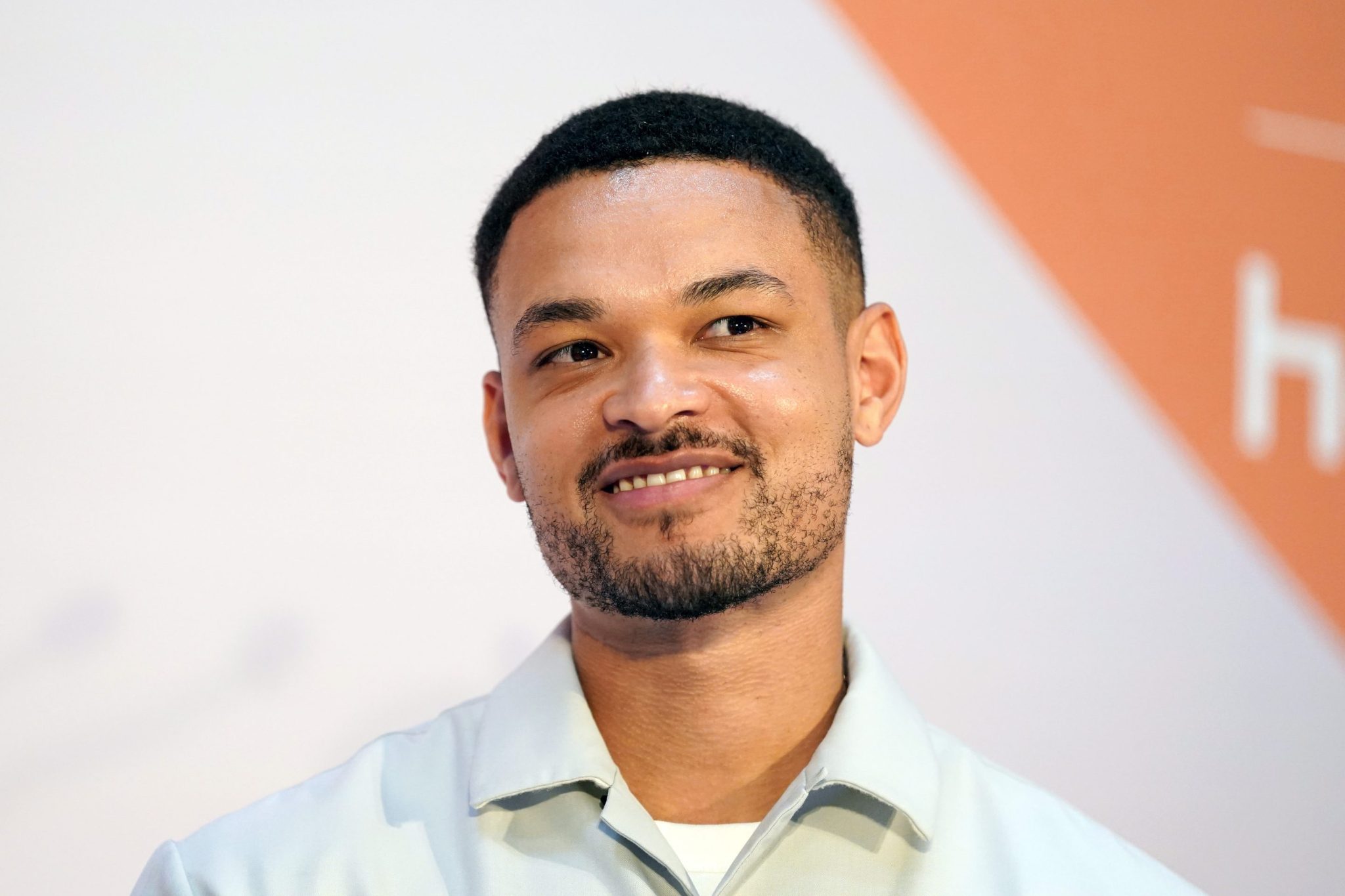
Steven Bartlett started his podcast with just a laptop and a sock pulled over a $100 microphone. Before there were guests, it was just Bartlett, reading from his diary at 2 a.m. and trying to make sense of what he had written that week. He eventually began interviewing other people about theirs. Now, The Diary of a CEO is one of the world’s biggest podcasts, and is on track to overtake Joe Rogan as the most-subscribed podcast on YouTube.
The show has grown into a business Bartlett forecasts will generate about $60 million in revenue this year. But growing it has also meant turning down money—including a deal that would have required more advertising and taking the show off YouTube. He described the proposed arrangement as a trade: accept a large payment, put 12 advertisements in the podcast, and have little say over those ads.
“One of the central reasons why I turned down such an offer is because that is four times more ads than I have to put in now,” Bartlett told Fortune’s Ellie Austin on Fortune Daily.
Working with what he calls “fragmentation vultures”—companies seeking exclusive podcast distribution deals—can mean sacrificing revenue or control over the relationship with an audience, Bartlett argued. Instead, he sees the relationship with his audience as worth protecting, even when a lucrative offer like that comes along. The business he aims to preserve already makes money beyond advertising: through products, subscriptions, and events.
Beyond the podcast ad
Bartlett, who dropped out of college to pursue entrepreneurship, launched The Diary of a CEO in 2017 by turning his own diary entries into podcast episodes. He later began interviewing other people about their own diaries, finding it more intellectually stimulating to learn about their own lives than to read about his own
Those conversations explored his guests’ motivations, insecurities, and ambitions, eventually broadening the show’s scope to subjects ranging from neuroscience and psychology to performance and sports.
And with it, the business has expanded too. When asked where the show’s projected $60 million comes from, Bartlett pointed to brand partnerships, products his business owns and manufactures, subscriptions, memberships, and events. On top of that, he runs an investment fund.
“It’s a wide range of things and again, this goes to the point of diversification,” he said.
Steven.com, Bartlett’s holding company, houses the podcast and his other creator businesses. It also includes other creators, helping them build media brands and develop products and ventures. Bartlett forecasts about $90 million in revenue for his broader media company this year, including the projected $60 million from The Diary of a CEO.
He also put next year’s holding-company forecast at about $160 million. But he’s not the only person to see nine-figure valuations as a result of the podcasting business: “Call Her Daddy” podcast host Alex Cooper’s holding company Unwell raised investment at a $500 million valuation in August.
Bartlett sees that evolution as part of a wider shift of how creators work with brands. Early in his career, he said companies treated influencers like billboards: pay them, and they would post something. Then came the creative-director titles, equity arrangements, and opportunities to co-found businesses. Most evident with Sydney Sweeney, who became an equity partner and creative director at sports prediction market Novig, shaping its advertising rather than just simply appearing in it.
He believes the next stage involves creator businesses making acquisitions and operating more like large holding companies.
“You’re no longer an influencer, you’re no longer an equity partner, a creative director,” he said. “You are an owner or co-founder.”
The business of audience trust
Distribution has become a point of negotiation across podcasting, perhaps most famously in 2024, when Spotify ended Rogan’s exclusivity and allowed his show to stream on rival platforms. Bartlett prefers fewer partnerships, and only with businesses that matter to him personally. About 70% of his podcast partners, he said, are companies whose founders he approached himself.
Choosing sponsors is only one part of maintaining audience trust—what guests say on the podcast matters too. On Fortune Daily, he was questioned about a 2024 BBC investigation into health claims made on his show. He said his team had contracted a full-time medical PhD to review health episodes, adding context on screen and removing material that could not adequately be contextualized. Now, an independent review team fact-checks every episode—not just those focused on health—before it is published.
When asked whether an unsupported scientific statement would be removed from the audio, he said the decision depends on its framing: a definitive claim would be treated differently from a guest discussing a hypothesis based on early research.
But despite his growing influence, Bartlett doesn’t consider himself a journalist. He described his interviews as an exercise in pursuing his own curiosity, whether he’s sitting across from Kamala Harris or JD Vance. Viewers will always have questions they wish he had asked, he said, but he believes his approach needs to remain anchored in that curiosity.
“If you’re not anchored to, like, your own curiosity, you’re going to be a plastic bag in the wind,” he said.
As the business continues to grow, Bartlett’s advice to other creators is to think beyond the next deal—while acknowledging that his own success gives him more freedom to choose.
“If you want to build a durable business in this creator economy, you have to prioritize sovereignty,” he said. “You’re renting your audience at the moment.”
This story was originally featured on Fortune.com