

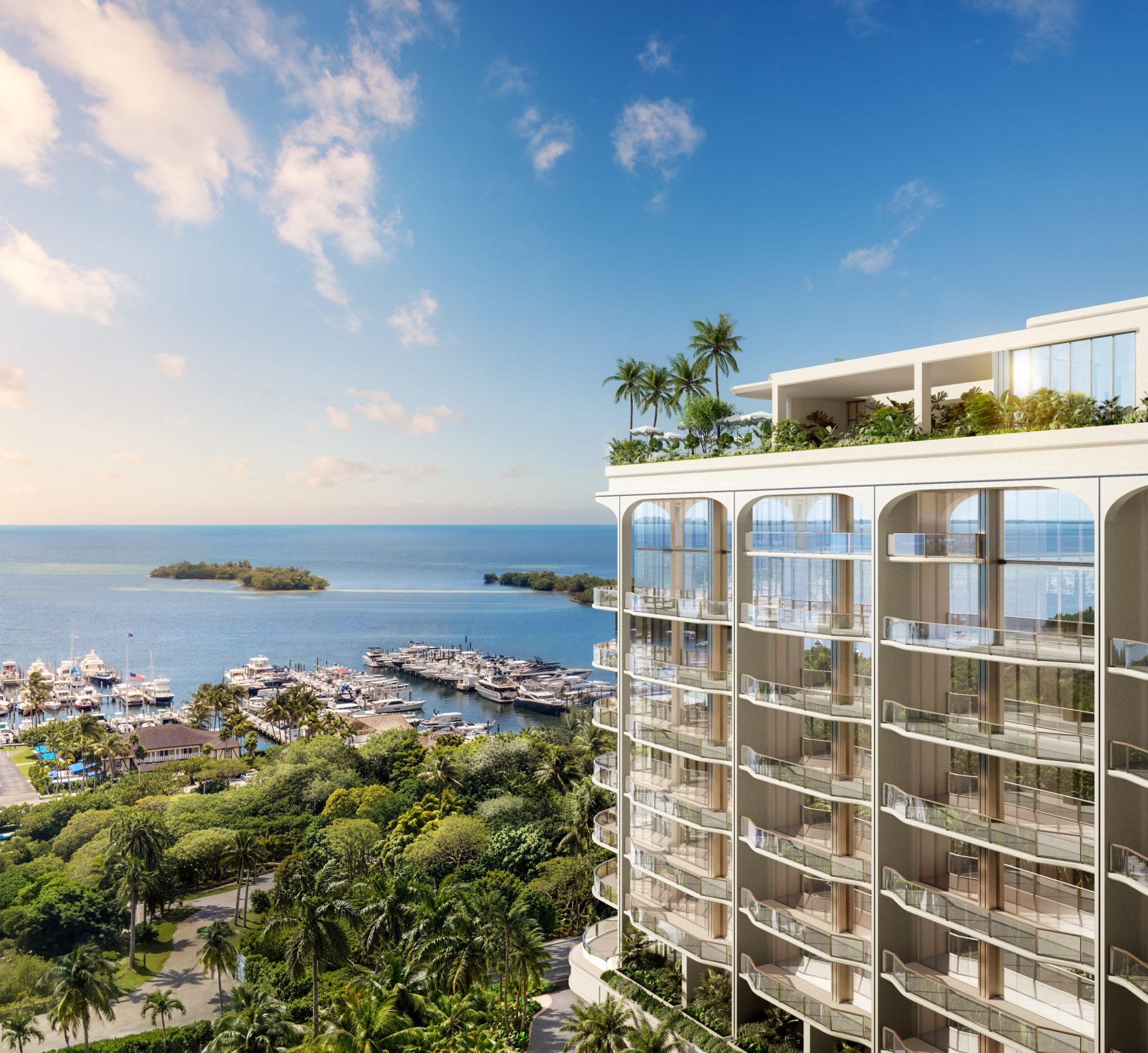
New York City and San Francisco have historically been the U.S.’s hotspots for the ultrawealthy—but in recent years, Miami has emerged as one of the most popular places to move. In the wake of a potential wealth tax in California and a new millionaires’ tax in Washington, Florida is a safe haven for billionaires trying to protect their fortunes (although not all will admit that’s the motive behind their move).
One of the world’s best-known hotel brands is betting that the wave of wealth will keep coming. Raffles is launching its first standalone residential building, with just 35 waterfront homes starting at $4.5 million in Miami’s Coconut Grove neighborhood, the luxury hotel brand and developers Mast Capital and BH Group told Fortune exclusively.
“It’s a very upcoming market,” Omer Acar, CEO of Raffles and Fairmont Hotels and Resorts, told Fortune. “We wanted to be part of it.”
Citadel founder Ken Griffin moved his firm to Miami in 2022, and last month committed $3 billion to Carnegie Mellon University, $2 billion of which will launch a CMU campus in the city. He paid $106.9 million for an estate in Coconut Grove in 2022, and Google cofounder Larry Page bought two Coconut Grove estates in late December and early January for about $173.4 million combined.
They’re part of a larger wealth wave to the state: Florida absorbed a net $137 billion in income from other states between 2019 and 2023, according to a Miami Realtors analysis of IRS data. Amazon founder Jeff Bezos spent $237 million on three estates on Indian Creek, the gated island off Miami Beach, in 2023 and 2024. This year, Meta CEO Mark Zuckerberg and his wife, Priscilla Chan, closed on a $170 million Indian Creek estate, and Google cofounder Sergey Brin bought a $51 million waterfront home on nearby Allison Island.
Often called Miami’s oldest neighborhood, Coconut Grove sits on Biscayne Bay just south of downtown, with historic waterfront estates, a dense tree canopy, sailboats anchored offshore and restaurants within walking distance. For years it was a quieter alternative to Miami Beach’s busyness. Now it’s a billionaire enclave.
“It’s almost like a waterfront village within a big city,” Camilo Miguel Jr., founder and CEO of Mast Capital, told Fortune. He called the neighborhood’s change over the past 30 years “very transformational.”
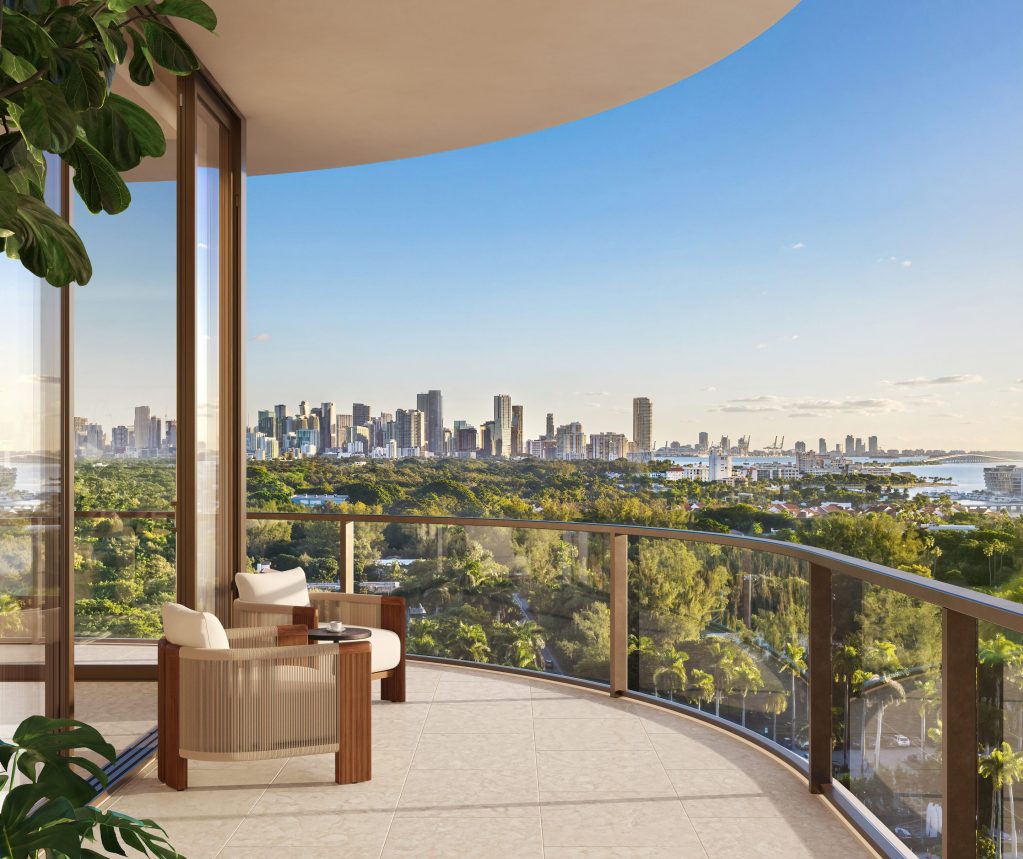
The developers behind the project say they continue to see more demand for luxury residences in Coconut Grove.
“We don’t really play in the middle market. We continue to see tremendous amounts of wealth moving into Florida, especially South Florida,” Miguel said. It’s “one of the highest barrier entry condo markets in the state.”
‘No one is checking out’
Raffles, founded in Singapore in 1887 and now owned by Accor, is best known for its luxury hotels. Raffles Residences Coconut Grove will have no hotel and no overnight guests. The building at 2545 South Bayshore Drive, designed by architect Brandon Haw, will have 2- to 4.5-bedroom homes and a limited number of penthouses. Sales launch Thursday through Douglas Elliman Development Marketing.
“No one is checking out,” Acar added. The goal, he said, is a home “that happens to be exceptionally well looked after, not a hotel unit you happen to own.”
Miguel said the building will still have the trappings of a luxury hotel, including a restaurant, a spa and fitness center, and a rooftop with a pool deck, bar, and private pools for the penthouses.
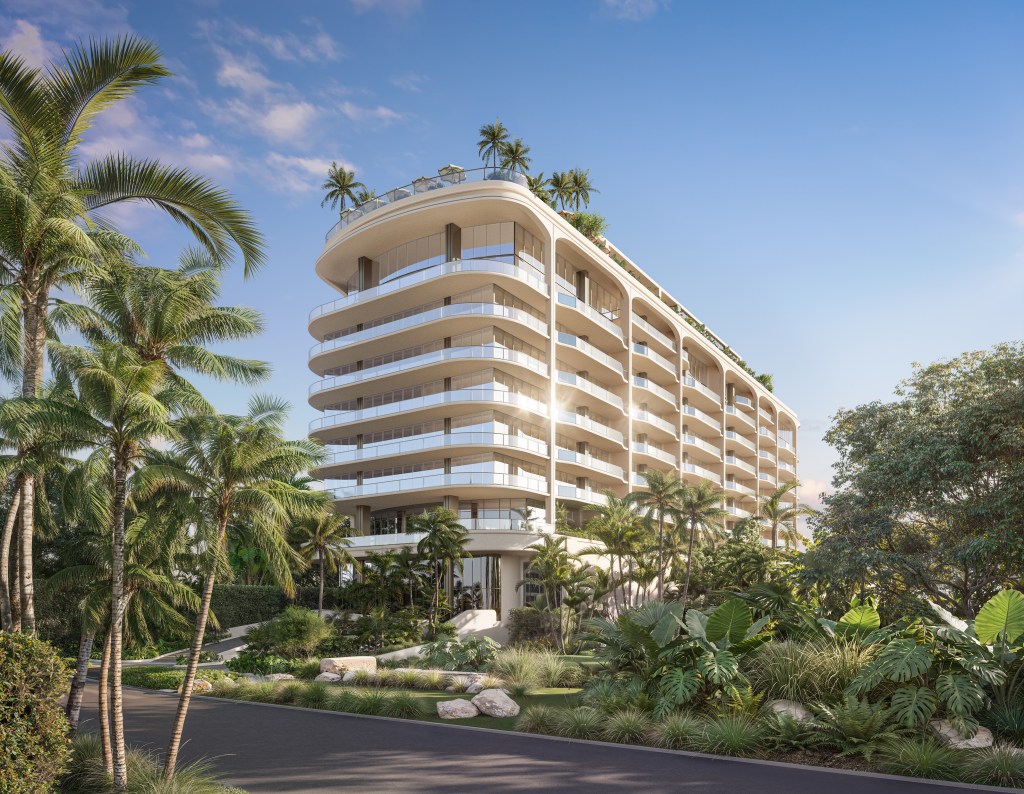
“If anything, for only 35 unit owners, it’s going to be over amenitized,” he said.
Securing the site took time. Along South Bayshore Drive, there’s almost no vacant land left, so the developers acquired an older condominium building and negotiated a condo termination with its owners, Isaac Toledano, founder of BH Group, told Fortune.
The developers said they deliberately kept the building small. Toledano said the partners could have fit more units on the site but capped it at 35.
“You want to meet some people, but on the other hand, you don’t want to be with another 300 neighbors,” Toledano told Fortune.
Even before Thursday’s announcement, interest has outpaced supply. About 40 people have expressed interest in the roughly 35 units, Miguel said. The developers plan to collect presales this season and start construction sometime next year, he said.
Miguel expects many of the buyers to be families living in the building full time. Miami condo buyers once looked to flip, he said, but “that whole mentality is kind of changed today,” and units across the market have gotten larger as more owners move in permanently.
Acar said he hopes owners “can pass it from generation to generation.”
This story was originally featured on Fortune.com