

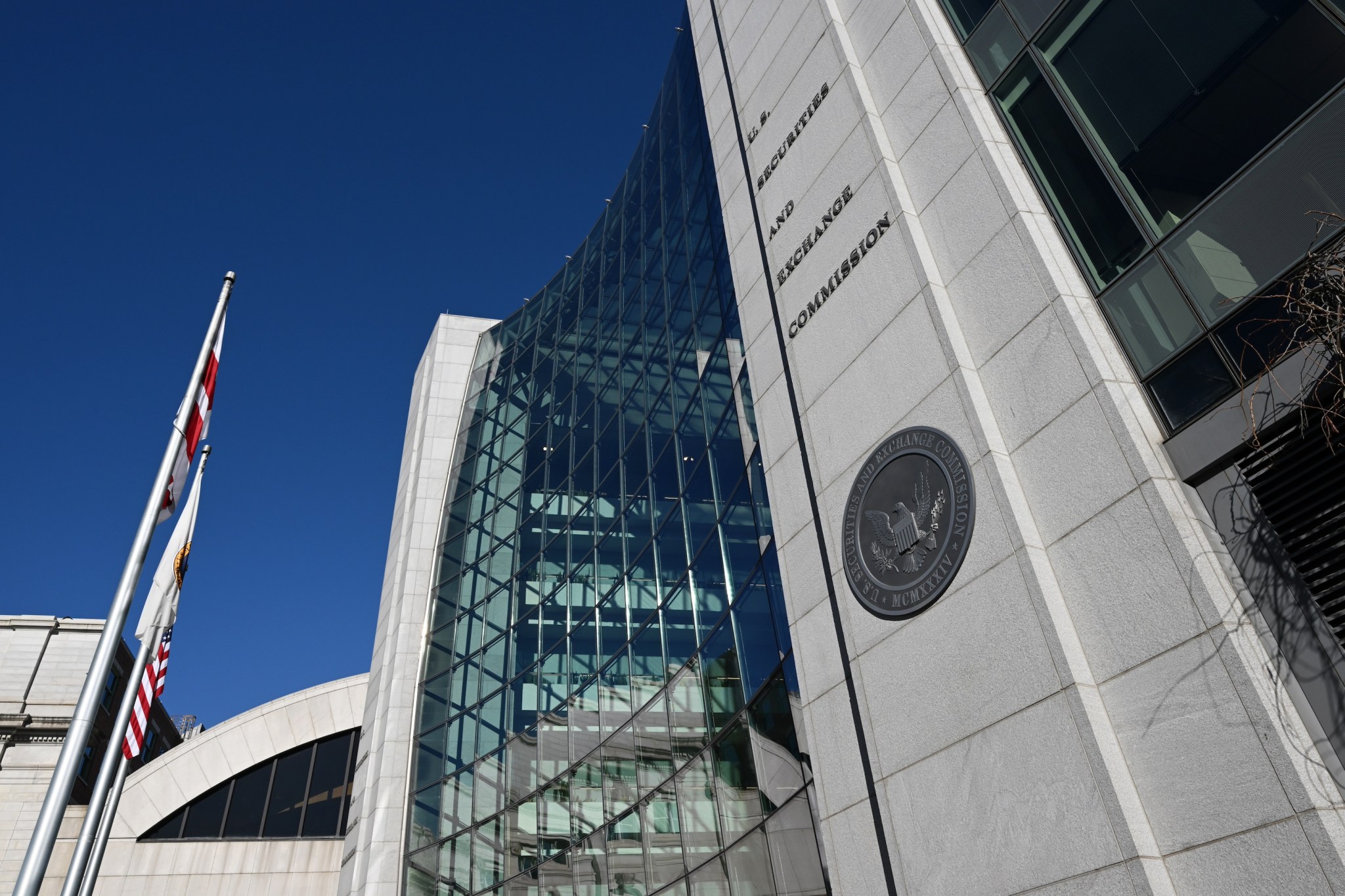
Good morning. This week, the U.S. Securities and Exchange Commission addressed a long-running debate on Wall Street: Are quarterly earnings reports helping investors—or fueling short-term earnings management?
On Tuesday, the agency announced a proposed rule and form amendments that would allow semiannual reports to satisfy interim obligations under federal securities laws. The proposal is not final; comments will remain open until 60 days after Federal Register publication.
“Public companies have an obligation under the federal securities laws to provide information that is material to investors,” SEC Chairman Paul S. Atkins said in a statement. “Yet, the rigidity of the SEC’s rules has prevented companies and their investors from determining for themselves the interim reporting frequency that best serves their business needs and investors.” If adopted, the changes would provide “increased regulatory flexibility in this regard,” he said.
The SEC says the change would be optional. A spokesperson told me that companies would weigh peer comparability, analyst requests, and investor expectations when deciding whether to opt in.
Kristina Wyatt, EVP and general counsel at The Conservation Fund and a former SEC senior counsel, told me that she sees both sides.
“On the one hand, public companies are so focused on meeting quarterly expectations that that can foster short-term thinking,” Wyatt said. “The burdens on companies from the quarterly reporting cycles are significant and that may, in part, feed into the flight to the private markets that we’ve seen over the last 20 years in this country.” However, she added, “investors need to have equal and fair access to material information about companies to help inform their investment decisions and to foster accurate pricing under the Efficient-Market Hypothesis.”
Wyatt said quarterly reporting and Form 8-K disclosures support transparency and informational parity. If semiannual reporting becomes optional, regulators should scrutinize disclosures between reports, potentially strengthening Form 8-K and enforcing Regulation FD to prevent selective disclosure.
Wyatt sees three risks: greater informational asymmetry and reduced pricing efficiency; higher risk premiums and cost of capital; and more reliance on third-party information, which could reduce accuracy and accountability. With AI spreading third-party data, company-certified filings may become more important.
In a Fortune opinion piece, Kunal Kapoor, CEO of Morningstar, argues semiannual reporting could reduce burdens, especially for smaller firms, and make public markets more attractive if disclosure remains strong. He says incentives drive short-termism more than reporting frequency.
Meanwhile, Shivaram Rajgopal, a professor of accounting and auditing at Columbia Business School, is more skeptical. “In the U.K., when something similar was enacted, very few firms stopped quarterly reporting in the short run,” Rajgopal said. “But over the period of a decade or so, everyone stopped reporting quarterly.”
He argues that relying on Form 8-K disclosures misses the value of interim financial statements, which translate events into concrete financial metrics. “Forms 10-Q serve that market need,” he said. Potential downsides include more insider activity, greater volatility and surprises, and reduced analyst coverage. Rajgopal also questions whether the proposal addresses short-termism. “This is a solution looking for a problem,” Rajgopal said. “Myopia over three months, the intended target, will simply be myopia over six months. What exactly have we accomplished?”
The debate will continue.
Have a good weekend.
Sheryl Estrada
sheryl.estrada@fortune.com
This story was originally featured on Fortune.com