

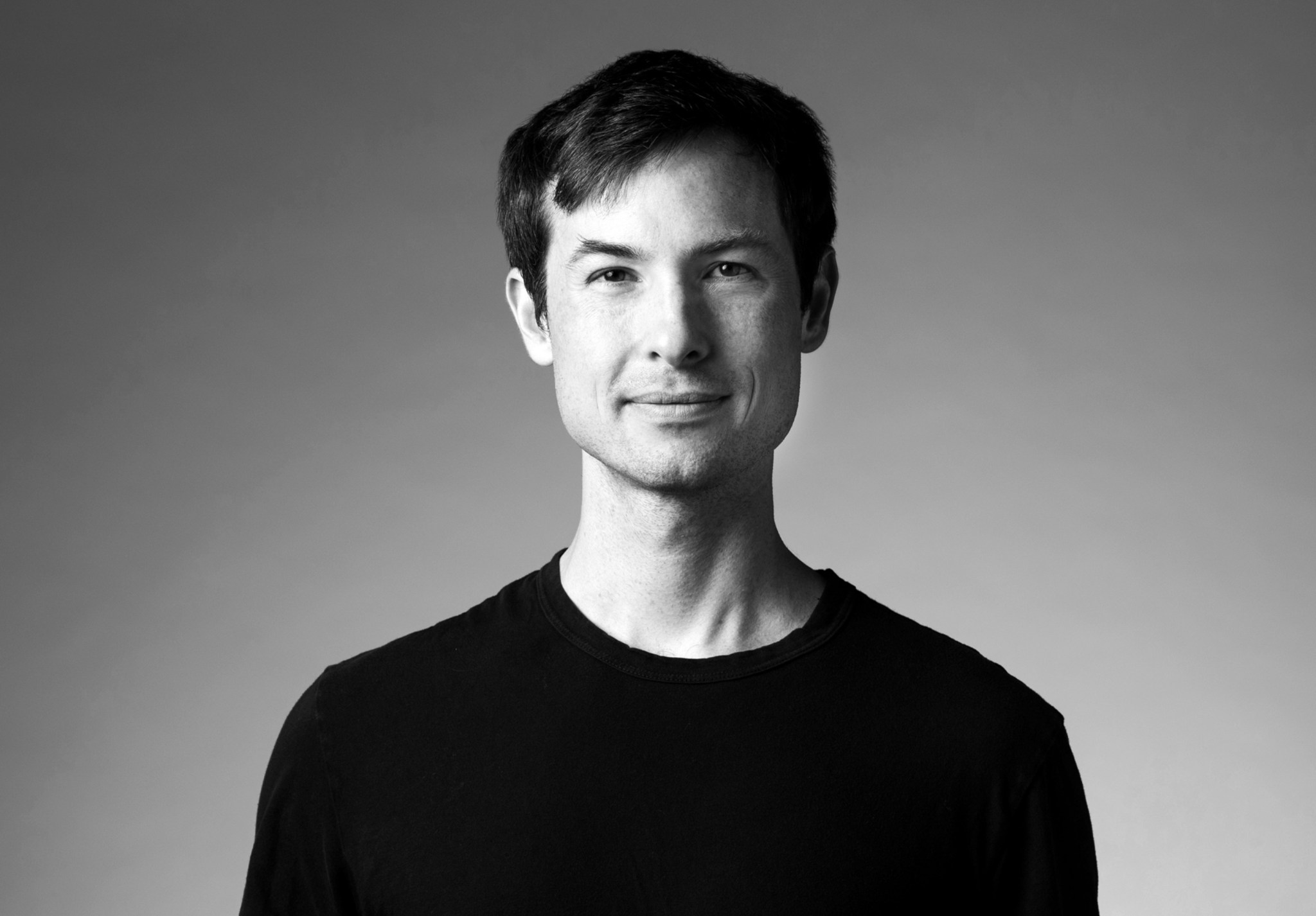
Reed Jobs isn’t trying to cure cancer.
For Jobs—an investor and, yes, Steve Jobs’s son—the aim’s far more precise: To make cancer non-lethal. The rhetorical distinction is important.
“I don’t think you’ll cure cancer because we’re human,” said Jobs. “Any human cell could become cancerous, right? And we’re not going to stop having human cells. So, the idea that none of them could ever become cancer is preposterous. That risk’s never going away.”
And medicine, however advanced it may be, seldom makes diseases vanish. But there’s a path to a world where cancer is much less intractable. Consider, Jobs says, the trajectory of AIDS as a guide to what might be possible for cancer treatment.
“There’s no vaccine for [AIDS], unfortunately,” he said. “I’d love for there to be, but in the absence of that, it’s a far less scary disease now in the United States because it’s non-lethal. With a cocktail of drugs, you can actually prevent mortality. In many ways, I think that’s a massive victory and, in some ways, the most essential victory. Because it’s victory over death, and that’s what I want for cancer patients.”
For Jobs, this has been his life’s work—he started working in cancer labs as a teenager when his father got sick (Steve Jobs would pass away in 2011). Today, he’s a VC, the founder of venture firm Yosemite, which he started after spinning out of Laurene Powell Jobs’s Emerson Collective in 2023. Yosemite (and Jobs) are devoted to cancer-focused investing, both in startups and via scientific grants.
Yosemite has now closed its second fund at $350 million, a serious jump from January’s first close at $200 million, Jobs exclusively told Fortune and the Term Sheet Podcast. Jobs’s LPs include Amgen, AbbVie, MIT, Memorial Sloan Kettering, and VC legend John Doerr. Yosemite’s model is unique: Jobs, in some ways, is operating in a traditional venture model, investing in startups early and taking sizable stakes en route to an exit (he’s clear the goal is venture-scale returns). But Yosemite also offers philanthropic grants to scientists.
“With philanthropy, we can fail really cheaply,” said Jobs. “That’s the real wisdom behind this… One of the difficult and suboptimal things about my industry is how slow it is. And look, that’s really important from a regulatory standpoint. But it also means you can waste a lot of money on things that aren’t going to work, which is obviously really bad. What we’ve learned is that we can test new ideas really quickly and cheaply in universities with grants. And before we waste a lot of time, money, and resources, we can kind of flip over that first card.”
Yosemite’s first fund, closed in 2024 at $263 million, included AI drug discovery startup Chai Discovery, cervical cancer screening company Teal Health, epi-therapeutic medicine maker Tune Therapeutics, and care navigation startup Sage Care. This variety reflects how Jobs believes the healthcare system and science will ultimately have to evolve.
“I don’t think a company alone is going to make cancer non-lethal,” said Jobs. “I think it’s going to be a consortium of things. It’s going to be a really long push, probably cancer by cancer, more likely than not.”
When Jobs started Yosemite in 2023, biotech was in a slump, one that’s turned around substantially in recent years. The biggest changes are scientific advancements over the last three years, he said.
“You couldn’t have told me four years ago that we’d be sitting here today and we would have the advancements in GLP-1s, in immunotherapy, in vaccines now, and against pancreatic cancer that we’ve achieved,” said Jobs. “Those things have happened and have been titanic for the industry.”
I asked Jobs what advice his father would have for him.
“I think he’d say stay on the path, because something we have in common is we’re really good long-term builders,” said Jobs. “Yosemite is not going to, as you know, reach its zenith of success in the next year or two. This is a long-term play that’s going to take my whole life.”
See you tomorrow,
Allie Garfinkle
X: @agarfinks
Email: alexandra.garfinkle@fortune.com
Submit a deal for the Term Sheet newsletter here.
Morgan Chittum curated the deals section of today’s newsletter.
This story was originally featured on Fortune.com