

- In today’s CEO Daily: The U.S. imposes 50% tariffs on a wide range of Canadian imports
- The big leadership story: ‘Dads’ and ‘duds’
- The markets: Asia markets are down with big drops by Alibaba and Samsung
- Plus: All the news and watercooler chat from Fortune.
Good morning. America’s trade war against its closest ally has escalated again, with the Trump administration invoking section 338 of a notorious 1930 law to impose 50% tariffs on a wide range of Canadian imports. The sticking points were both economic and cultural, with Quebec’s French-language laws even coming under attack. Canadian Prime Minister Mark Carney is being praised for his response while Trump was criticized, even by members of his own party. This is not a war that America, or American business, is likely to win. Here’s why.
Trump’s options are limited. There’s a reason this latest missive only impacts 5% of Canadian imports. The Supreme Court already decided the president can’t invoke emergency powers to impose tariffs. Walmart is now using its tariff refund to lower prices. The Iran war has increased demand for Canada’s oil, aluminum and fertilizer; Saskatchewan is known as the Saudi Arabia of potash, with more than a third of global supply. And Trump’s priority is to lower costs for inflation-weary consumers ahead of the midterms, just suspending tariffs on imports of up to 300,000 metric tons of ground beef to bring cheaper foreign meat into the market. As Eurasia Group founder Ian Bremmer told me over the weekend: “There’s still time to walk this back … Trump not taking a public victory lap makes last-minute resumption of talks possible.”
Canada is becoming more resilient. The Canadian government is diversifying trade, letting in companies like Chinese EV giant BYD, and can borrow money at 4.2% for 30 years while comparable U.S. Treasury yields have risen to 5.3%. As a dual citizen who often travels north of the border, though, I think the biggest shift is psychological. Canadians now see the U.S. as a greater threat to their security than Russia or China, according to a survey by Nanos Research Group. “Canadian opinion has turned largely on the direct attacks from Donald Trump,” founder and chief data scientist Nik Nanos told me yesterday. “At the same time, a very strong majority of Canadians want to have a trade deal.”
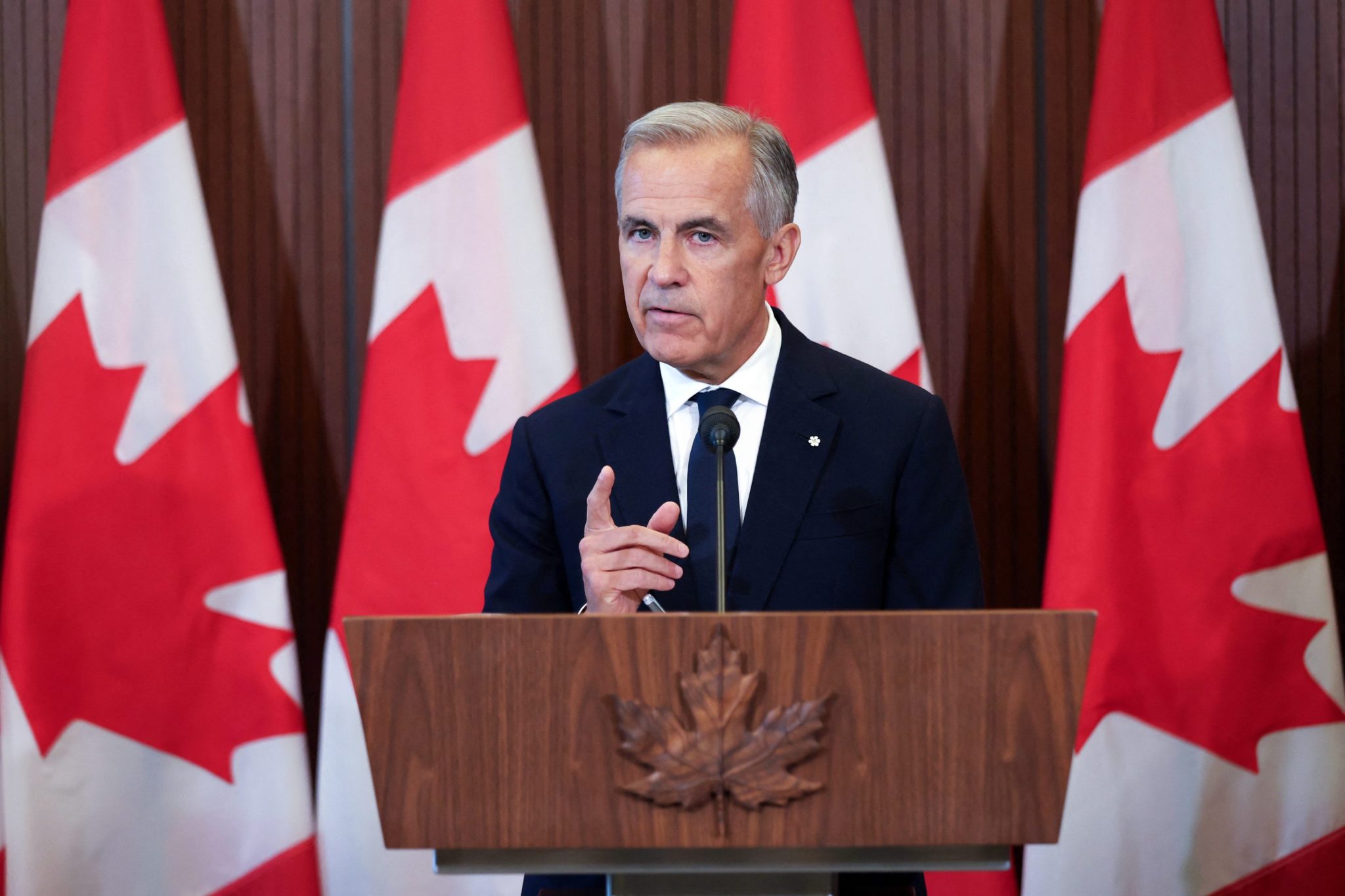
Just as the Luftwaffe’s bombing of London during the Blitz of 1940 strengthened British resolve in World War II, Washington’s repeated attacks on Canada have consolidated support for Prime Minister Mark Carney. Carney’s approval rating now hovers around 60%, while Trump’s approval rating has sunk to around 35%. From his fiery speech in Davos to his comments this weekend, the prime minister has turned each assault into a rallying cry. “America is trying to break us so that they can own us,” Carney said at a press conference on Saturday. “That will never, ever happen.”
This is a dumb trade war. From Florida tourism operators to automakers with integrated supply chains, most U.S. companies view Canada as a partner in prosperity. The Canadian American Business Council estimates the successful renegotiation of the United States-Mexico-Canada Agreement could create an additional 137,000 U.S. jobs and 98,000 Canadian jobs next year. Business Roundtable CEO Joshua Bolten issued a statement saying that “new tariffs and retaliation risk raising costs for American businesses and families.”
Canada used to be America’s best friend. Despite Trump’s claims, the world’s longest undefended border is not a pain point for illegal immigration, drug traffic or security threats. With bilateral cooperation, it’s the opposite. The economies remain intertwined, with the Gordie Howe International Bridge between Detroit and Windsor officially opening just days before the latest rift. U.S. officials weren’t invited. As one Canadian CEO told me recently: “In a dumb trade war, you eventually work out the trade but you never regain the trust.”
Contact CEO Daily via Diane Brady at diane.brady@fortune.com
This story was originally featured on Fortune.com