
Some of America’s biggest companies are receiving hundreds of millions of dollars in tariff refunds, or booking even larger financial benefits. However, many consumers are wondering if those refunds will find their way back into their wallets.
After the Supreme Court ruled that the International Emergency Economic Powers Act did not give the president authority to impose tariffs, major Fortune 500 companies, including Amazon and Target, have received hundreds of millions of dollars in tariff refunds. Some have pledged to issue refunds to consumers who bore increased costs thanks to the tariffs, while others have stayed mum on the subject.
The Trump administration said as of July 31, it certified $100 billion in tariff refunds, including interest, out of the $166 billion it collected.
Companies that received cash
Amazon, ranking No.1 on the Fortune 500, stands out as one of the largest companies to have already collected refunds. The e-commerce giant said “we received approximately $640 million of tariff refunds under the International Emergency Economic Powers Act (“IEEPA”),” during the second quarter of 2026, according to its SEC filing. The amount represented the “significant majority of refunds” it expects to receive. Amazon has said it may offer refunds to only a limited number of customers impacted by the tariffs.
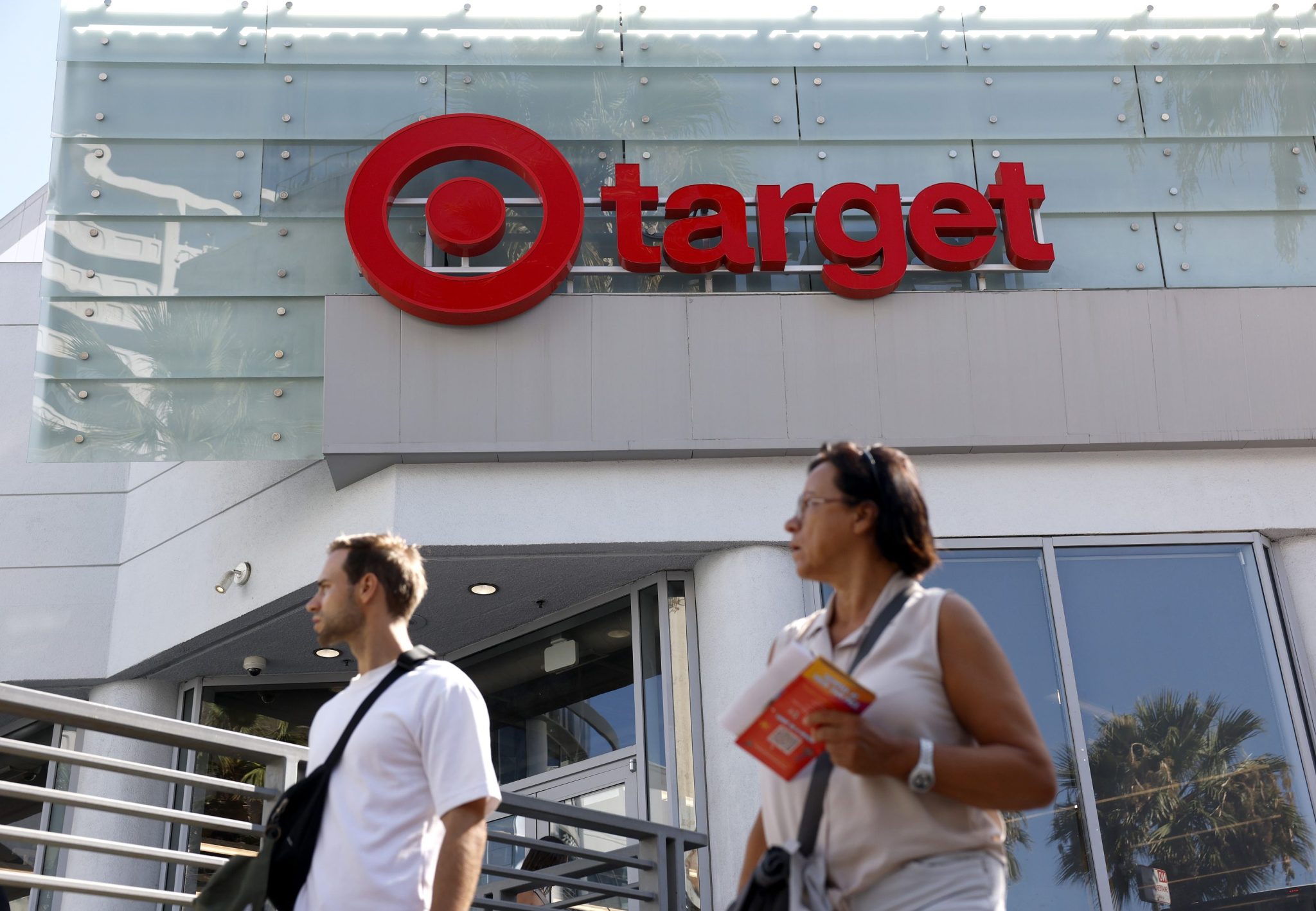
Target received almost a billion dollars in refunds during the second quarter, it said on Wednesday. The department store received $994 million in tariff refunds, adding $752 million to net earnings for a total of $1.88 billion and $1.65 to earnings per share.
Target CFO Jim Lee confirmed the company will not issue refunds as a result of the company’s IEEPA refunds, but will use the money towards bringing lower prices. “We have, and we will continue to, invest in price to ensure our guests are getting tremendous value each and every time they visit us at Target,” Lee told Modern Retail.
Nike has also recovered most of what it was owed. The sportswear company said it expected to recover $986 million. According to its filing, Nike had received $302 million as of May 31, and recorded another $684 million as “outstanding IEEPA tariff receivable.” Nike has remained quiet on whether consumers will see any refunds, even as consumers sue the company for not refunding tariff-related costs.
FedEx is a different case—the company and its competitor UPS have begun returning refunds to consumers earlier this month. The delivery company said its reported cash balance included approximately $800 million in IEEPA tariff refunds, but that money was being held for refunds to customers, according to its filing. FedEx previously sued the federal government seeking a full refund of tariffs it had paid.
Received refunds, but unclear how much
The results are mixed for automakers. Ford reported a $1.3 billion one-time tariff benefit reflecting tariffs it paid between March 2025 and February 2026, per its filing, even as the company sued the Trump administration over refunds. Similarly, General Motors separately recorded a $500 million favorable adjustment tied to previously charged tariffs, which GM said it believed were refundable in its filing. Neither disclosure, however, confirms that the full amount had already been received in cash. Stellantis, the maker of Jeep and Ram, received a tariff refund of €400 million (about $467 million).
Other companies have reported large financial benefits without making clear how much has actually been received.
Apple reported a boost from tariff refunds, disclosing that the refunds added approximately two percentage points to its fiscal third-quarter gross margin and contributed 11 cents to diluted earnings per share. Apple said it will invest its tariff refund into domestic manufacturing.
For other major companies, the tariff refund situation is unclear after they sued the Trump administration for refunds.
Costco said it would issue tariff refunds to consumers after being hit with four class action lawsuits alleging the company passed on the tariffs costs and raised prices. Kohl’s, which paid about $190 million in tariffs, applied for roughly $140 million in refunds but said in its latest quarterly filing that it had not received any payments. Home Depot said in its May quarterly filing that it received an “immaterial amount” after the quarter ended, and its Aug. 18 earnings release said its guidance “includes IEEPA tariff refunds, which are expected to partially offset unplanned fuel, energy, and other product input costs.” Other companies that also sued the Trump administration include Revlon, J. Crew, and Bumble Bee Foods.
Walmart said in a May disclosure that its financial guidance did not assume any impact from tariff refunds, saying it won’t offer refunds to consumers but that it will put that money toward lowering prices. Tesla was similarly cautious in its latest quarterly filing, stating that it may be eligible for refunds of previously paid tariffs, but that the recoverability and timing remained uncertain. The company previously sued the Trump administration over its China tariffs in 2020.
This story was originally featured on Fortune.com