

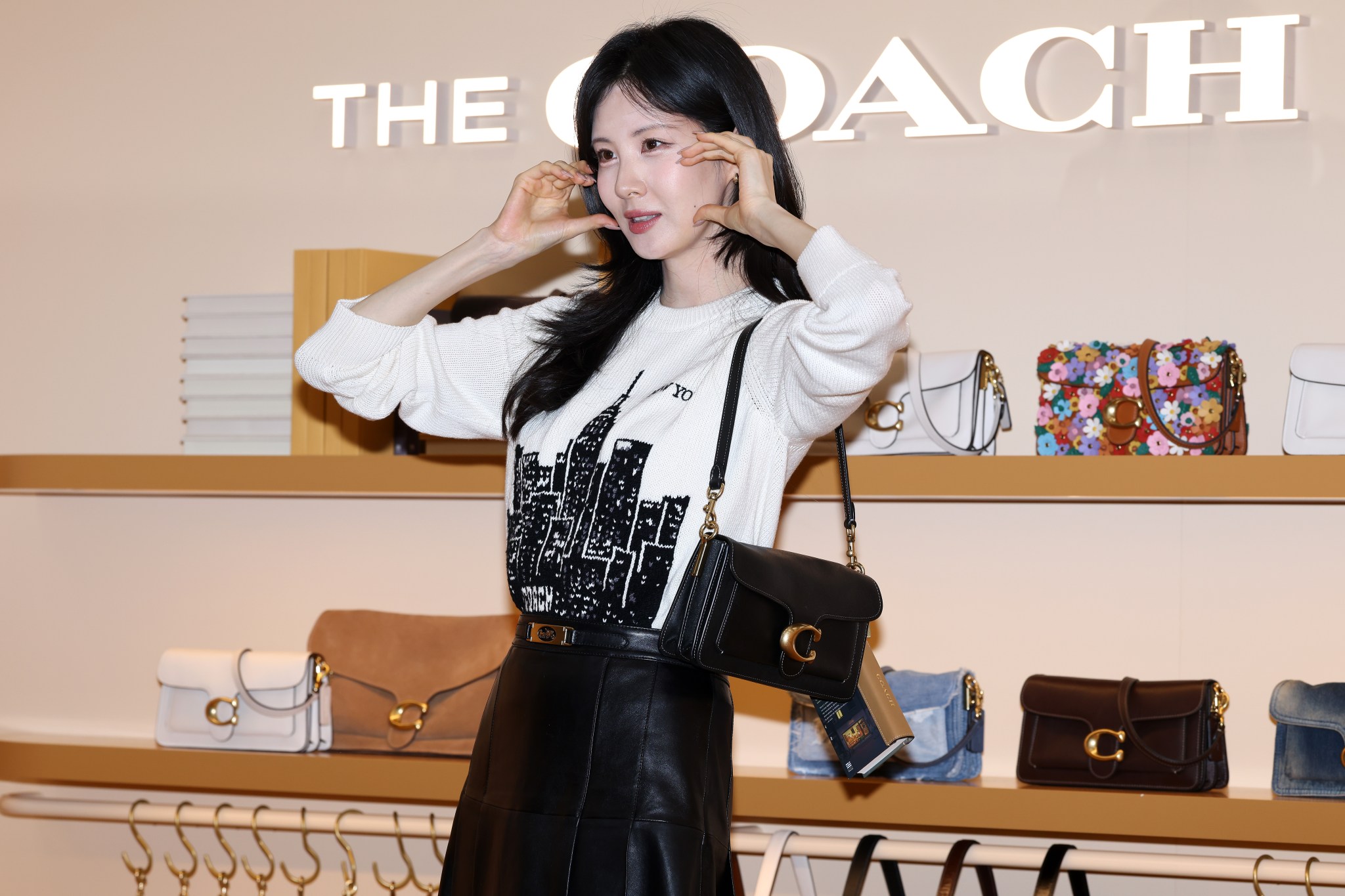
Style‑obsessed shoppers around the world are flocking to an 85‑year‑old handbag classic. This month, Tapestry said its flagship Coach brand saw sales rise 29% last quarter, growth that would make any new brand jealous. Even better: The leather goods brand’s appeal with Gen Z shoppers is a key ingredient to this success.
Coach, which started life as a wallet and billfold maker in New York in 1941 and is now a handbag and leather goods behemoth, has found favor with younger shoppers who can’t afford an Hermès bag or a Louis Vuitton briefcase but still want a well-made, fashionable handbag with a recognizable brand name. The bulk of Coach handbags are priced between $300 and $700 apiece, well below the prices of top luxury brands—making it possible for some customers to buy several bags.
“We’re aspirational in design, fashion, and quality, yet extremely approachable in price positioning,” Coach brand CEO Todd Kahn told investors last week. In the quarter ended March 28, Coach sales hit $1.7 billion. In contrast, LVMH sales of fashion and leather goods fell 2% in their most recent quarter. And Coach is also outpacing direct rivals in its segment of the market: Michael Kors sales fell 5.6% last quarter. Coach’s soaring popularity is particularly notable in China, where it has operated since 2009: Revenue was up 55% last quarter year-over-year, stripping out currency fluctuations. Business is brisk elsewhere in Asia too.
Kahn attributed the brand’s success in part to the $1 billion a year Coach spends on marketing and data insights, allowing it to really understand what customers want and when. He called that mammoth spend a “Coach-onomics flywheel” that keeps generating sales increases. UBS recently raised its price target on the parent company Tapestry stock, citing its leadership among retailers in using artificial intelligence for customer insights.
Consulting firm GlobalData estimates that Coach has 800,000 new Gen Z customers compared to last year, growth it attributes to the brand’s savvy marketing, “attuned to their aesthetics and needs.”
Coach has proven adept at tapping into a yearning among young shoppers for vintage though still au courant brands with a reputation for quality. A similar approach has propelled Ralph Lauren’s luxury aura and sales to all-time highs in recent years. Coach and Ralph Lauren have other similarities in their stories: A decade ago, both were in peril after years of being overstretched, selling too much at failing department stores and at outlet stores that dented any “upscale” image. Both addressed the problem by closing many weak stores, exiting a large proportion of the department stores that sold their goods, dialing back the discounting, and focusing consumers back to their heritage and reputation for quality. Those brand rehabs set both up for growing sales increases.
Now Coach is at an all-time high: A decade ago, it was a $4.1 billion brand and struggled to get to $5 billion for a number of years, but growth has exploded in the last two years and revenue for the brand looks like it will come in at around $7 billion for the fiscal year ending next month.
Of course, having the midas touch for one brand doesn’t guarantee success with another. Another label in Tapestry’s portfolio, Kate Spade, has continued its long decline, with sales down 11% last quarter. At this point, Coach represents 89% of the company’s sales. Tapestry was formed in 2017 when the former Coach Inc planned to become a portfolio of luxury brands, an ambition that has not materialized. The company sold off high-end women’s shoe brand Stuart Weitzman last year. The year before, its plan to buy Kors parent company Capri was killed by anti-trust regulators.
Luckily for Tapestry, the Coach locomotive keeps speeding up, and Kahn said he’s confident that won’t be derailed anytime soon. “We can literally add millions of new customers every quarter for the next 10 years, and we’ll just scratch the surface,” said Kahn.
This story was originally featured on Fortune.com