

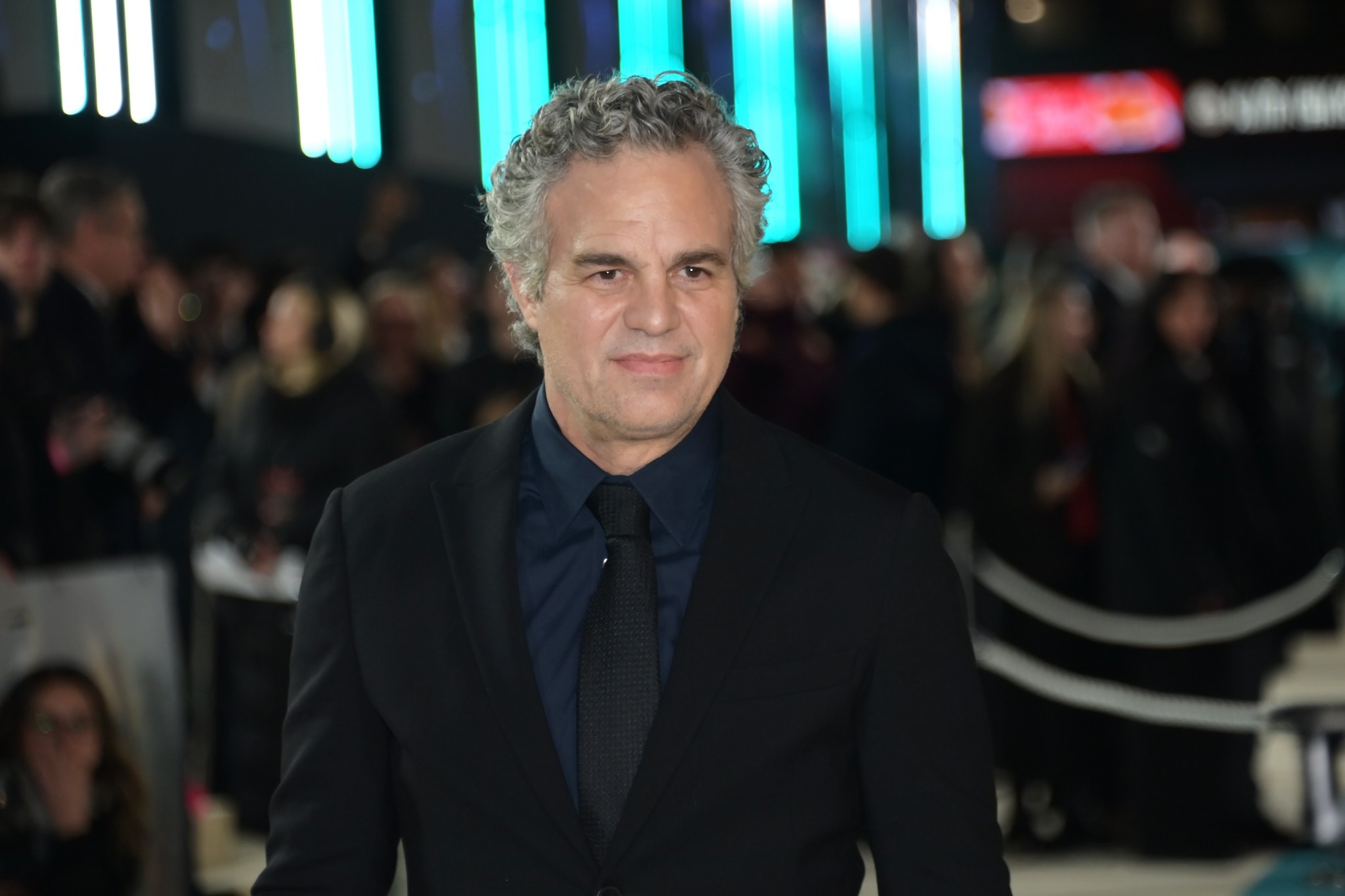
Mark Ruffalo isn’t giving up his fight against Paramount Skydance’s takeover of Warner Bros. Discovery, even with the deal days from closing.
On Sept. 30, U.S. District Judge Araceli Martínez-Olguín approved Paramount’s settlement with 12 state attorneys general. That cleared the last legal obstacle to the roughly $111 billion merger. Hours later, Ruffalo took to X to condemn the outcome.
“This merger will stifle creativity, weaken free speech, and cost people their jobs—it is a bad deal for this country and should never have been approved,” Ruffalo wrote on X. “This is an incredibly disappointing outcome for the hundreds of thousands of us who stood up to block it, but it’s also not the end.”
“This grassroots movement isn’t going to fade away and neither is our resolve,” the post continued. “This was never about just one merger: this was about fighting back against corrupt oligarch billionaires trampling the interests of everyday people to line their own pockets. We’re still in that fight. Join us.”
Shortly after the ruling, Paramount announced that Mattel CEO Ynon Kreiz will join the company Oct. 5. He will serve as co-CEO of the combined company alongside David Ellison.
Ruffalo’s feud with the Ellisons
Ruffalo has been one of Hollywood’s most vocal opponents of the deal. His criticism has gone beyond Paramount CEO David Ellison to include Ellison’s father, Oracle cofounder Larry Ellison. The elder Ellison personally guaranteed $40.4 billion to back his son’s pursuit of Warner Bros.
The feud escalated on Aug. 21, when Ruffalo shared a video on his Instagram story of Safra Catz. Catz is Oracle’s executive vice chair and former CEO, and she also sits on Paramount’s board. In the clip, taken from a 2024 Israeli-American Council summit, she describes “really profoundly scary technologies” Oracle provided to Israel’s military after the Oct. 7, 2023, Hamas attack.
Ruffalo warned that those technologies “will most likely be merged into one of the largest media conglomerates in the world and one day used on you.” He added, “Look how [Catz] revels in what we now have come to see as a genocide, which was built on an apartheid system of oppression powered by Oracle.”
Paramount said in a statement that it was “troubled when antisemitic tropes are invoked in purported service of a business dispute.” The statement continued: “Words like ‘genocide’ and ‘apartheid,’ applied to a corporate transaction, aren’t just wrong—they’re a bridge too far, and they cheapen the very real suffering those words are meant to describe.” The company urged those involved to “lower the temperature, not raise it” and said it doesn’t tolerate prejudice of any kind.
Ruffalo fired back on X on Aug. 22. “The accusation that I am antisemitic is appalling and fundamentally dishonest,” he wrote. “Criticizing the actions of the Israeli prime minister, a military technology contract, or the executives who supply it is not the same as criticizing Jewish people. This critical and necessary dialogue is then dishonestly framed as being anti-Israel. To be clear, my views come from my own political convictions and should never be interpreted as hostility toward Jewish people, for whom I have deep love and respect.”
He then turned back to the merger. “This merger has real consequences for real people, and for the entire country,” he wrote. “Scrutinizing the Ellisons, including Oracle’s business built on data, surveillance technology and government contracts, and the serious threat to editorial freedom and the loss of a livelihood for thousands of families, is fair and necessary. The $111 billion deal would hand one family control over CNN, HBO and Warner Bros., backed in part by foreign money whose influence on editorial decisions has never been fully explained to the public.”
What’s in the settlement
Paramount reached its settlement on Sept. 21 with the states, led by California Attorney General Rob Bonta. The coalition had sued in July to block the deal outright.
Under the consent decree, the combined company must release at least 30 films in theaters per year for the first two years, then 32 per year for the following three. At least four films a year must be independent productions. Each counted film must stay in theaters for at least 45 days, and wide releases can’t reach subscription streaming for at least 90 days.
The company must also spend at least an additional $300 million a year on U.S. film production above Paramount and Warner Bros.’ combined 2025 levels. It can’t sell or close either studio’s Los Angeles-area lot for at least five years.
Missing the annual film quota costs $30 million for each film the company falls short. That money is split among entertainment-industry health and retirement funds, the Motion Picture & Television Fund and a National Association of Attorneys General fund. A shortfall would also force Paramount to sell its minority stake in Miramax, though the per-film penalty likely carries more weight.
Within 180 days of closing, the company must also create a five-member News Editorial Independence Board of established journalists. The board will set editorial principles for CBS News and CNN and resolve disputes over alleged violations. Colorado and Washington joined the broader settlement but declined to sign off on the editorial board terms.
‘Do not cave’
Before the settlement was announced, Ruffalo publicly pressed Bonta not to make a deal.
“Don’t you dare @AGRobBonta, do not cave,” he wrote on X. “5,670 filmmakers put their necks on the line for you to fight this merger. Another 75,000+ and counting have signed to tell you not to concede in just 3 weeks. You work for the people—the very people who will be hurt if you let this lousy deal filled with empty promises go forward.”
The 5,670 figure appears to refer to the open letter organized by the Block the Merger coalition, signed by thousands of film and TV professionals opposed to the deal. After the settlement terms were announced, five groups in the coalition filed an amicus brief urging the judge to reject what they called a “toothless” settlement: Free Press, the Committee for the First Amendment, the Freedom of the Press Foundation, the Future Film Coalition and the International Documentary Association.
Martínez-Olguín approved the settlement anyway. She wrote that objectors’ hopes for the decree “to reach farther—to achieve more—do not rise to the level of legal violations.”
This story was originally featured on Fortune.com