

A week after Iran killed American troops in Jordan, crossing President Donald Trump’s red line for restarting all-out war, the U.S. military didn’t launch airstrikes on the regime.
Friday came and went without an announcement from U.S. Central Command about a new attack, breaking a nearly two-week streak.
Sources told Axios that Trump received plans from the military yesterday to conduct strikes in Iran but didn’t give a green light and instead ordered them to hold off.
U.S. forces are still preparing for major combat operations to potentially resume, but Trump hasn’t issued orders to move in that direction, the report added.
The White House didn’t immediately respond to a request for comment.
While the U.S. military retaliated against Iran for last week’s troop deaths with more airstrikes, they remained well short of the widespread campaign early in the war.
At the same time, Trump has indicated diplomacy is ongoing and signaled that he prefers talks to more fighting, despite reports that he’s lost patience with the Islamic Republic and was in “revenge mode.”
He told reporters on Friday that he retains the option to continue strikes, go bigger by “knocking out everything they have,” or pursue a “smarter strategy” of making a deal, insisting that Iran wants the latter.
“They want to make a deal. I just don’t think they’re ready yet, but they do want to make a deal. Sometimes they don’t want to say they want to make a deal. They want to be the tough guys,” Trump said, adding that both sides are currently negotiating.
The lull in fighting comes despite the fresh U.S. casualties as well as Iran’s attacks on commercial traffic in the Strait of Hormuz, including on ships using a route near Oman’s coast defended by Central Command.
That’s essentially closed off the narrow waterway again, cutting off oil supplies to global markets and sending crude prices higher.
But Omani officials traveled to Tehran on Friday for talks on a new arrangement that would reopen the Strait of Hormuz. Sources told Axios that negotiations have made progress, adding that an Oman-Iran agreement could be reached over the weekend.
If another Hormuz deal is announced, this time without U.S. participation, then Trump would likely have to choose whether to go along with it or denounce it. But Tehran has demanded it has authority over the strait and seeks to impose fees on passing ships.
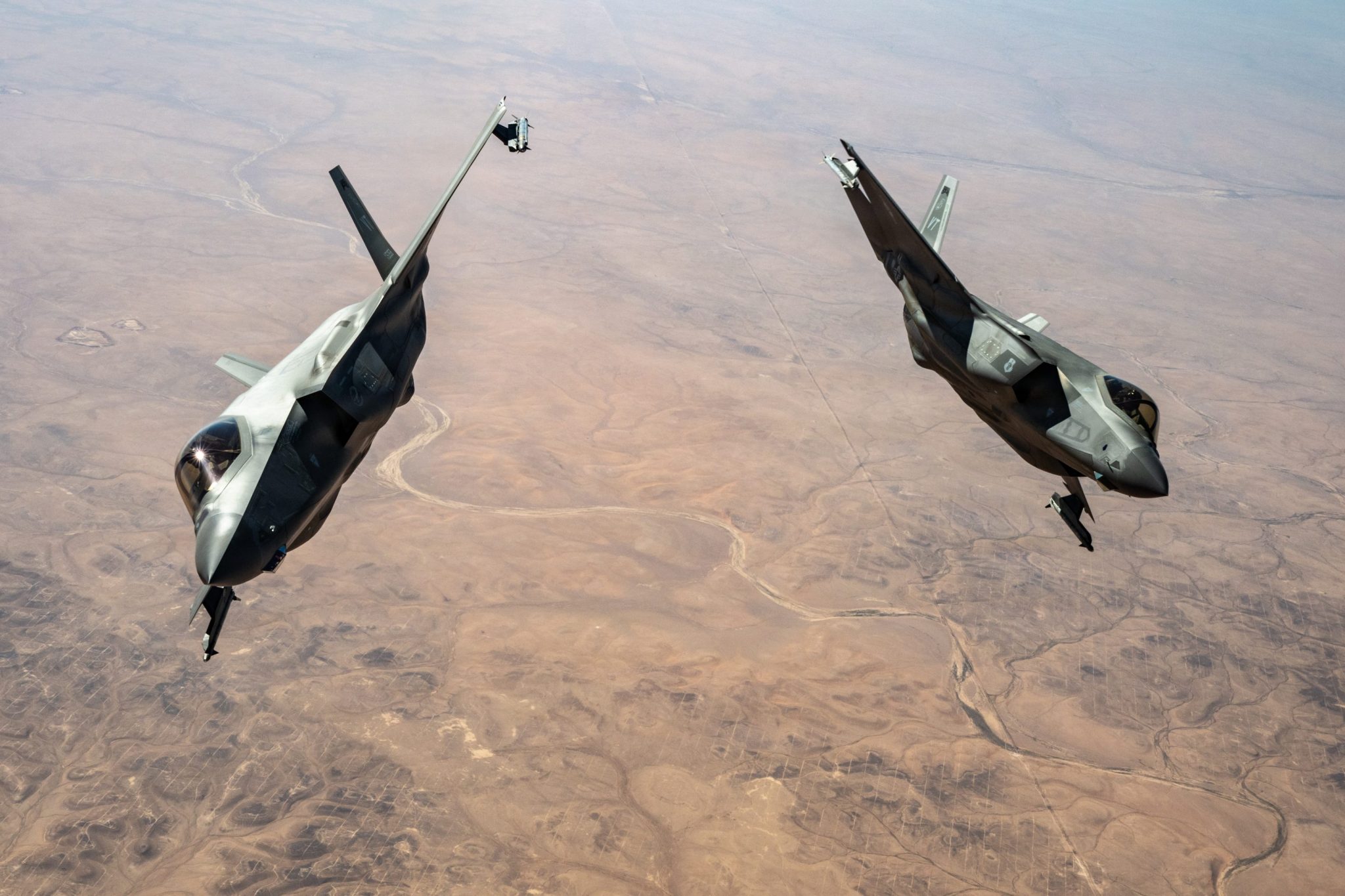
It’s still possible full-blown war comes back. The U.S. surged special operations troops, bombers, fighter jets, and medics to the Middle East over the past week, according to the Wall Street Journal.
But the daily U.S. bombardment on Iran over the last two weeks also did little to change Iran’s tactics, which included lashing out at its neighbors in the Persian Gulf with missiles and drones—targeting U.S. bases in the region.
Meanwhile, more countries are fighting Iran or its proxies, representing further escalation as the conflict draws in more combatants.
Bahrain and Kuwait secretly sent fighter jets to bomb Iran, marking their first such attacks, sources told the Journal. That’s after Saudi Arabia and the United Arab Emirates attacked Iran earlier in the war.
Meanwhile, Saudi Arabia is also fighting Iran-backed Houthi rebels, who have vowed to close the Bab el-Mandeb Strait to Saudi-linked shipping.
Houthis hit two Saudi oil tankers in the Red Sea this week, prompting Saudi Arabia to strike the Yemeni port city of Hodeida.
The Bab el-Mandeb Strait, at the southern tip of the Arabian Peninsula, is another vital shipping chokepoint, connecting the Red Sea to the Gulf of Aden.
The prospect of a Red Sea standoff adding to the one in the Persian Gulf and the Black Sea, where Ukrainian attacks have hit Russian fuel tankers, has further inflamed energy markets, dragging down stocks and bonds in the process.
Oil market expert Rory Johnston wrote in a post on X on Friday that Trump may simply bail on the Iran war and “leave everyone else with the mess.”
“Question is at what level of market stress—crude/pump price, equity market rout, etc.—will force Trump to do so?”
This story was originally featured on Fortune.com